In transport, most work comes from relationships. You know your customers, they know you, and contracts get won over the phone or across a desk. So it's fair to ask what a website really does for a haulage or logistics business.
In our experience it does two jobs. It's the place customers go to check you out before they sign a contract, and it's one of your best tools for finding drivers. Get both right and the site earns its keep.
Job one: convince customers you're the real deal
When a procurement officer, farm manager or business owner is choosing a carrier, they'll look you up. They want to know you're established, compliant and capable of doing the job. Your website should make that obvious.
Say what you carry and where
General freight, livestock, grain, refrigerated, bulk, oversize, removals, local or interstate. Be specific about what you carry and the routes or regions you cover. "Livestock and grain haulage across northern NSW and southern Queensland" tells a customer more than "complete transport solutions".
Show the fleet
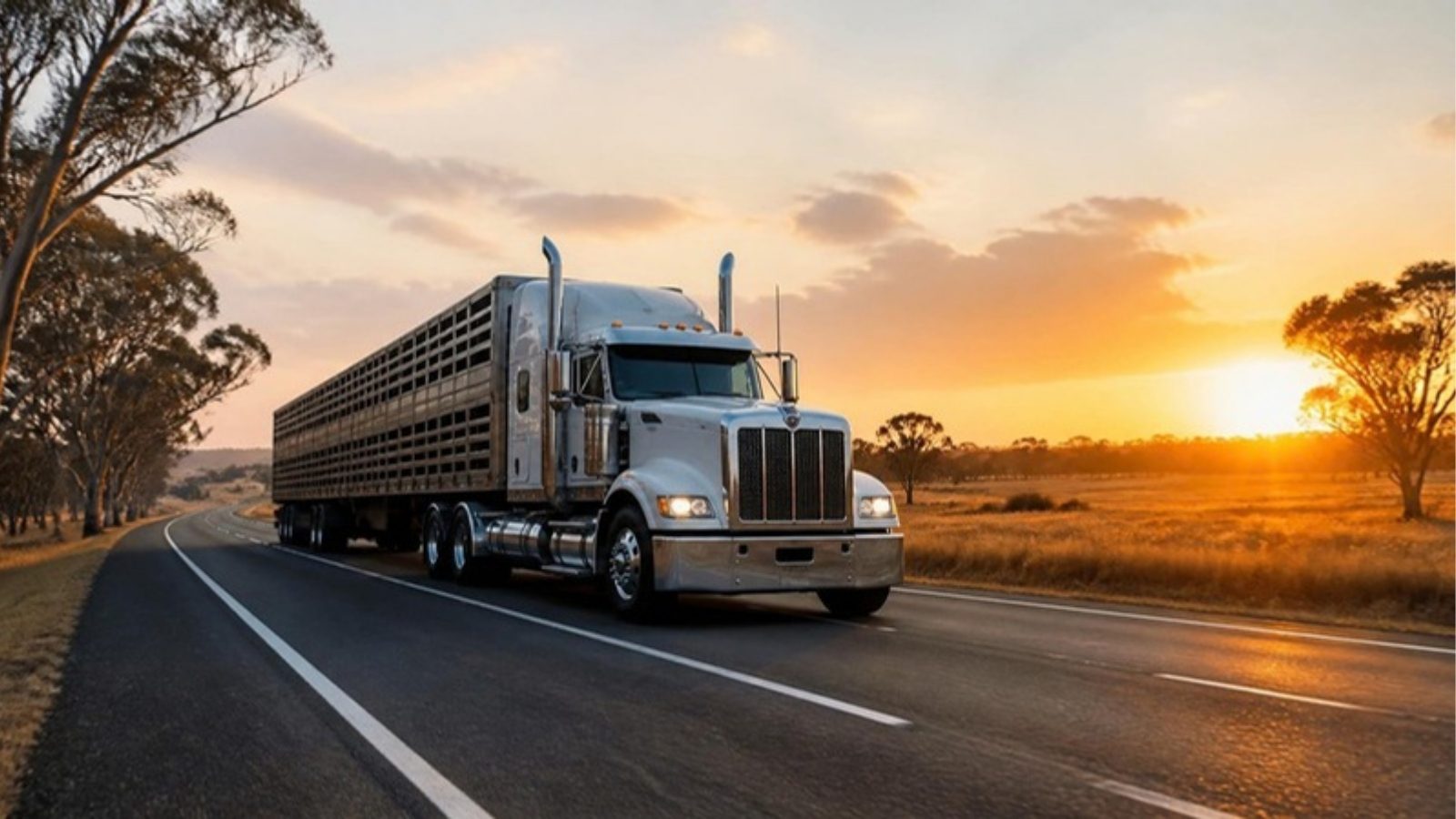
Photos of your actual trucks, trailers and depot do more than any stock image. Customers want to see equipment that's well kept and suits their freight. A simple fleet list (prime movers, trailer types, capacities) helps them work out if you're the right fit.
Spell out compliance and accreditation
Chain of Responsibility is taken seriously, and customers want to know you take it seriously too. List your accreditations, such as National Heavy Vehicle Accreditation Scheme modules, livestock or food safety programs and any quality or safety certifications. It's a quick win that a lot of transport sites leave out.
Make it easy to get a quote
A clear phone number, an email address and a short quote form that asks the questions you actually need answered (what, from where, to where, when, how much) saves everyone a phone call.
Job two: help you find drivers
Ask any transport operator what keeps them up at night and the driver shortage will be near the top of the list. Good drivers have options, and many of them will look at your website before they apply. A careers page can make a real difference (we've written more about using your website to attract staff):
- Show what it's like to work for you. Photos of your team and gear, the type of runs, home time, rosters.
- Be upfront about the basics. Licence classes, experience needed, local or long-haul, and the gear they'll be driving. Drivers care about the truck.
- List current positions. Keep them up to date. Old ads suggest a business that's either always hiring or not paying attention.
- Make applying easy. A short form that works on a phone, or a number to call. A driver isn't going to write a cover letter on a mobile at a truck stop.
- Talk about the business. How long you've been going, family ownership, the communities you work in. Stability matters to people choosing an employer.
What transport sites often get wrong
- A single page with a phone number and a stock photo of a highway
- Out-of-date fleet photos or trucks in old livery
- No mention of the areas covered
- Job ads that went out of date a year ago
- Sites that don't work on a phone, which is where most drivers and many customers will see them
Built for transport businesses
We've built websites for transport and logistics businesses across regional Australia, including Keevers Haulage, Wickham Freight Lines, Martins Stock Haulage, The Simple Weigh and KINTO. Each one needed something different, from showing off a fleet to helping customers understand a service they'd never used before.
See more on our websites for transport companies page, or give us a call on 02 6766 9988 to talk about yours.